Have you ever taken your favorite T-shirt out of the washing machine only to find that it no longer fits the way it used to? Clothes can shrink easily during washing and drying, especially when you expose them to high temperature or wrong cleaning methods. But the truth is some simple laundry habits can help you protect your clothes from shrinking and keep your clothes fresh for longer.
Why Do Clothes Shrink?
Clothes shrink when the fiber structures change or relax during the washing and drying process. Heat, moisture, and agitation all three contribute to this process. Natural fibers like wool and cotton can be very sensitive to wrong washing methods, but some fabrics might also shrink or lose their shape when exposed to excessive dryer heat. Let’s check out some easy methods to keep them from shrinking in the wash and dryer.
1. Check the Care Label Before Washing
Your care label is your first guide to prevent shrinkage. It lets you know that you have to set the right washing temperature, drying method, and the ironing settings for a garment. Follow this to the T and ensure that you follow the drying method that is specified.
2. Use the Right Water Temperature
Hot water is not always important for every laundry load. For many garments you use every day, cold water helps reduce the risk of shrinkage while also being gentle on colors and fibers. Follow the garment’s care instructions because some items require warm water while the others need cold water.
3. Choose a Suitable Wash Cycle
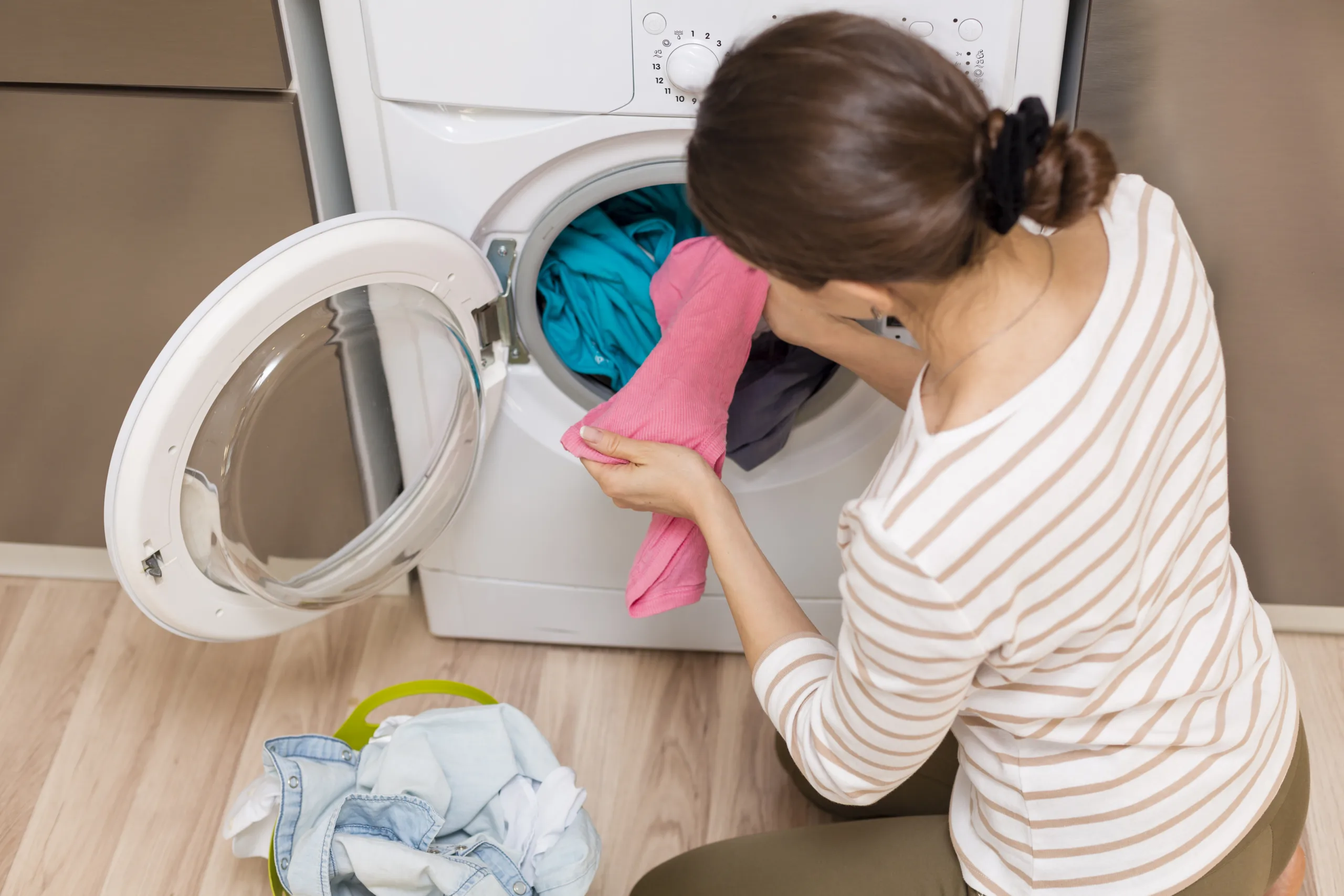
An aggressive washing cycle can put a lot of stress on your clothes, so use a gentle or delicate cycle for items that need extra care and do not overcrowd the washing machine.
4. Be Careful with the Dryer
Excessive drying heat is a common cause of shrinkage. If the care label says there’s a limit to the drying process, choose the proper heat setting instead of picking the automatic setting, which is set at a high temperature. Remove the clothes promptly when the cycle is done.
FAQs
Clothes can shrink when heat, moisture and agitation cause their fibres to change structure or relax.
Cold water can reduce the risk of shrinkage for many garments, but the care label should always guide your washing process.
Yes. High temperatures and excessive drying can cause some fabrics to shrink.
Use a low-heat setting if tumble drying is allowed in the garment’s care label.
Cotton and wool can be prone to shrinkage under unsuitable conditions. Other fabrics, like viscose and linen, also need proper care.
A gentle cycle can reduce mechanical stress, but it does not guarantee that a garment will not shrink.
Air drying avoids direct dryer heat and can be a safer choice for many shrink-prone garments. Always follow the care label.
Sometimes a garment can be reshaped partially, but recovery is not 100% guaranteed and depends on the fabric and the extent of shrinkage.
Frequent washing can contribute to wear over time. Shrinkage depends more directly on the fabric, washing conditions and drying method.
Professional garment care can help by selecting cleaning methods suited to the garment’s fabric and care requirements.